




In 2021 the EU proposed a secure Digital ID for all EU member citizens. Essentially what that means is everyone who holds an EU passport will have the right to share their identity and personal information with another person or company with the click of a button. This information will be fully verified. The UK have recently released 2 new providers that will start the process there. They are Yoti and EasyID.
Now a Digital ID is restricted to Photo ID. But, the capabilities are endless. Soo you will be able to verify everything from proof of age, education, address, work permit, criminal background, work history etc, its endless. It will always be updated, a little like a CV. It would mean that businesses, Banks, Doctors, government offices will no longer need to take a copy of your details to verify them from a third party. For Example, a Digital ID will be enough to start new jobs as your bank accounts, social security number, next of kin, will be associated with it. Each time you share your digital ID you can restrict what information you give out.
The key driver behind a Digital ID is Data Protection, you will be able to track who has your details. Provide better Security for you and your data, including social media and provide more accurate and up to date information.
The top 5 reasons a Business should adopt a Digital ID:
- Enhanced Customer Experience: Digital IDs provide a smoother and more convenient experience for customers. They eliminate the need for physical documents, paperwork, and in-person verification processes. Customers can easily verify their identity and access services from anywhere, reducing friction and enhancing user satisfaction.
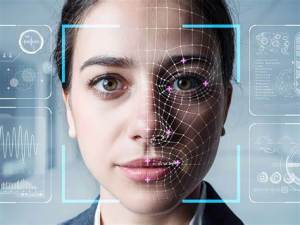
- Improved Security: Digital IDs often include advanced authentication methods such as biometrics (fingerprint, facial recognition) and cryptographic techniques. These methods are more secure than traditional authentication methods like passwords, reducing the risk of identity theft and unauthorized access to accounts.
- Faster Transactions: Accepting digital IDs speeds up various business processes. Customers can quickly log in, complete transactions, and access services without the delays associated with manual verification or paperwork. This efficiency can lead to increased customer retention and repeat business.
- Cost Savings: Transitioning to digital IDs can lead to cost savings for businesses. It reduces the need for physical document storage, manual data entry, and in-person verification procedures. Businesses can allocate resources more effectively and reduce administrative overhead.
- Reduced Fraud: Digital IDs offer features like biometric authentication and digital signatures, making them more difficult to counterfeit or manipulate. This can help businesses reduce instances of fraud and enhance trust with their customers.
These are only my top 5 reasons, there are other things to consider such as compliance and regulatory reasons, integrated systems and let’s not forget the environmental impact.
How will it affect the Recruitment process and will you need a CV soon.
Right now, a Digital ID and CV serve different purposes. A Digital ID is purely to say who you are. So soon not having a Digital ID on your CV will be an automatic rejection. As you apply for a role, you will simply add your Digital ID and CV. No more filling out Name, Address etc.
Now, as we look 3-5 years out, so let’s say 2027. A Digital ID might be more apparent in our everyday life. It might be your Business Card, showcasing your professional abilities. So, as you add to these credentials, why would you need a CV. You simply share that function with a potential employer and the employer will essentially have a reference and proof you worked in said company. So, we can say goodbye to those length background checks. You might be able to get recommendations that would be an enhancement of what LinkedIn to today. All on your record.
So, what are the risks!
There will be plenty of risks associated with a Digital ID. Here are my top 10 that would concern me.
- Privacy Concerns: Digital IDs involve sharing personal information online, which raises privacy concerns. The more information stored in a digital ID, the more potential there is for that information to be mishandled, shared without consent, or used for malicious purposes.
- Data Breaches: Storing personal information digitally makes it a potential target for hackers and cybercriminals. If the digital ID system is not adequately secured, data breaches can occur, leading to the exposure of sensitive information.
- Identity Theft: If a cybercriminal gains unauthorized access to a digital ID, they can impersonate the individual and engage in fraudulent activities. This can include financial fraud, unauthorized access to services, and other malicious actions.
- Biometric Vulnerabilities: Digital IDs that use biometric data (such as fingerprints or facial scans) are susceptible to biometric spoofing or replication. If biometric data is compromised, it cannot be changed like a password, potentially leading to ongoing security risks.
- Single Point of Failure: Relying solely on a digital ID for access to various services creates a single point of failure. If the digital ID is compromised, the individual may lose access to multiple accounts and services.
- Vendor Lock-In: Depending on the provider of the digital ID, individuals may become reliant on a single platform or service. This lack of interoperability can limit options and hinder user control over their identity data.
- Misuse of Data: Organizations that manage digital IDs may collect and use personal data for purposes beyond identity verification, leading to potential misuse or unauthorized sharing of data.
- Lack of Consent Control: Individuals might not have full control over what information is included in their digital ID or how that information is used. This lack of control can lead to the sharing of more data than necessary or desired.
- Technical Glitches: Digital IDs are reliant on technology, and technical glitches, system failures, or connectivity issues could lead to denial of access to services or critical data.
- Exclusion of Vulnerable Populations: Certain populations, such as those without access to technology or the internet, may be excluded from using digital IDs, leading to potential inequalities in access to services.
- Loss of Physical Documentation Backup: Reliance on a digital ID might lead to individuals neglecting to maintain physical backups of important documents, which could be problematic if the digital ID becomes inaccessible.
- Regulatory and Legal Challenges: Different regions and countries have varying regulations regarding digital identities and data protection. Adhering to these regulations can be complex and challenging for businesses and individuals.
To mitigate these risks, it’s important for individuals and organizations to prioritize security measures. Implement strong authentication methods and use encryption, stay informed about privacy policies, and choose reputable digital ID providers. Striking a balance between the convenience of digital IDs and safeguarding personal information is crucial in navigating the digital landscape safely.
A Digital ID will be a terrific opportunity to make life easier. There is no doubt about that. The Technology is really cool, but like all technology the risks associated are there and you have to be vigilant.
See more insights from Elwood Roberts here, if you are hiring we would love to speak with you, please contact us here.